Helium hotspot antenna connector: what your miner uses
Most Helium hotspot miners use an SMA-style connector on the antenna port, and the catch is that two versions look almost identical. The Helium hotspot antenna connector on a Bobcat, SenseCap, RAK, Nebra or Milesight unit is usually either standard SMA or RP-SMA. Mixing them means the threads engage but the centre pin does not touch, so the signal never reaches the antenna.
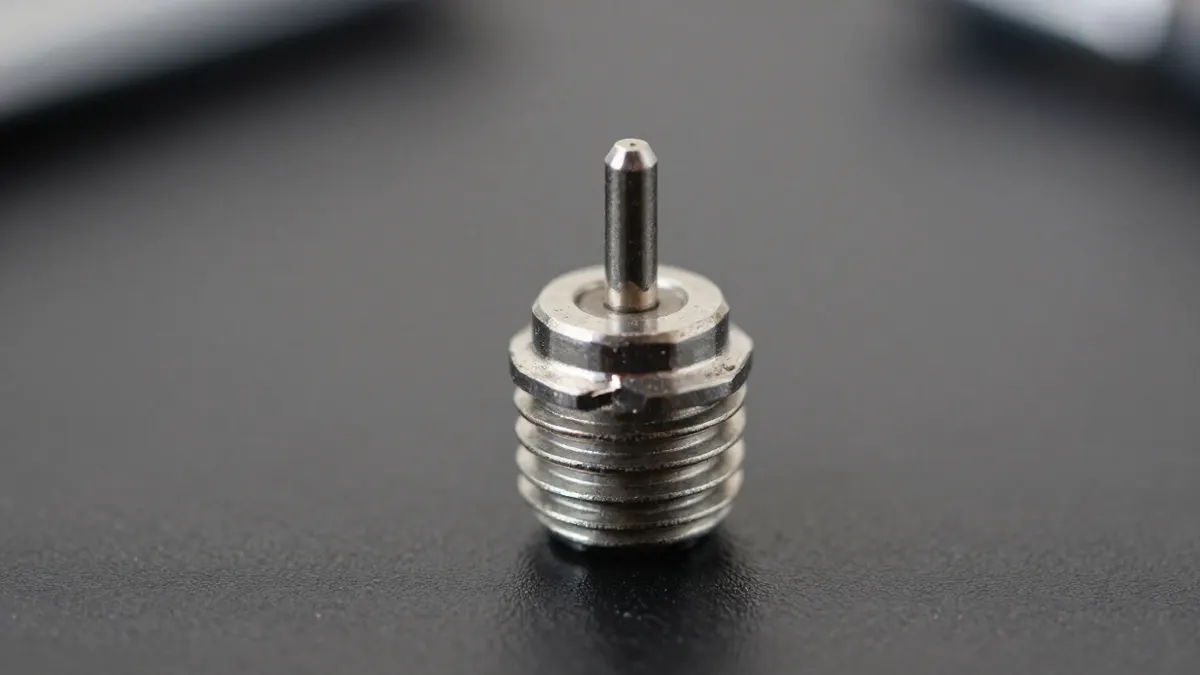
How to identify your Helium hotspot antenna connector
Look at the port on the miner, not the cable. Unscrew the antenna if one is fitted and check two things: the thread and the centre contact.
- SMA male: external thread on the plug, with a pin in the middle.
- SMA female: internal thread, with a hole in the middle.
- RP-SMA male: external thread, but a hole in the middle instead of a pin.
- RP-SMA female: internal thread, with a pin in the middle.
Yes, the "reverse polarity" part is confusing. The gender of the thread and the gender of the contact are swapped. That is why people order an antenna labelled SMA and find it will not mate.
Many hotspots have a female port with a pin inside it. That is RP-SMA female, and it needs an RP-SMA male antenna or cable. Others, such as some outdoor-oriented units, use an N-type female port instead, which is much larger (about 16 mm across the thread).
Which connector common hotspots use
Models change between hardware revisions and regional versions, so always check the physical port. As a rough guide, many indoor miners sold for the EU868 band ship with an SMA or RP-SMA port and a small stock antenna of around 2 to 3 dBi. Outdoor gateways more often have an N-type female socket and expect a cable or an antenna with an N-male plug.
The stock antenna is a decent clue. If it screws on with a male thread and has a hole at its base, your port is RP-SMA.
Connecting a larger antenna with the right cable
A 5 to 8 dBi outdoor antenna usually has an N-female socket. To link it to a hotspot with an SMA-style port, you need a short low-loss cable. A LMR-400 N-male to SMA-RP assembly is a common pick, and it loses roughly 0.2 dB per metre at 868 MHz, so even 5 metres costs about 1 dB. Thinner cable such as RG58 loses around three times as much over the same run, which cancels out the gain of a better antenna.
Keep the run short. Every extra connector adds a small loss too, usually 0.1 to 0.3 dB.
Adaptors for mismatched connectors
An adaptor is fine for a quick fix, but each one adds a joint where water and loss can creep in. Use one only when no matching cable is available.
If your antenna is RP-SMA female and the hotspot port expects standard SMA, an RP-SMA female to SMA male adaptor bridges the gap. When you only need to swap gender within the same family, for example to attach a cable that has the wrong end, an RP-SMA male to female adaptor does that job.
Before buying anything, write down the gender and the type of both ends. A short note saves a return trip, and it takes under a minute.
Tips for tightening and protecting the joint
Hand-tighten only. A pair of pliers can strip the thread or crack the board connector, and a damaged port on a hotspot is expensive to repair. For outdoor joints, wrap with self-amalgamating tape and add a layer of vinyl tape over it. Skip silicone grease unless the manufacturer says it is fine.
Frequently Asked Questions
What antenna connector does a Helium hotspot have?
Most indoor hotspots use SMA or RP-SMA, and the exact type depends on the model and hardware revision. Check whether the port has a pin or a hole in the centre. A pin inside a female thread means RP-SMA female.
Is RP-SMA the same as SMA?
No. The threads match, but the centre contact is reversed, so the two will not connect properly. Forcing them together can damage the port.
Can I use any SMA antenna on my hotspot?
Only if the connector type and gender match, and the antenna covers your frequency band, such as 868 MHz in Europe. An antenna tuned for 915 MHz will still work at 868 MHz but with reduced efficiency.
Do I need an adaptor to fit an outdoor antenna?
Often, yes, because outdoor antennas tend to use N-type connectors while hotspots use SMA-style ports. A cable with the right ends on both sides is better than stacking two adaptors.