Lightning Protection N-Female to N-Male
An outdoor LoRaWAN antenna is the tallest metal object on many roofs. For helium hotspot lightning protection, the usual answer is a coaxial arrestor placed in the feedline, between the antenna cable and the hotspot. The N-female to N-male version is the most common format because most 868 MHz outdoor antennas and low-loss cables already use N connectors.
It does not make a hotspot lightning-proof. It diverts the surge that travels down the coax and sends it to ground before it reaches the radio board.
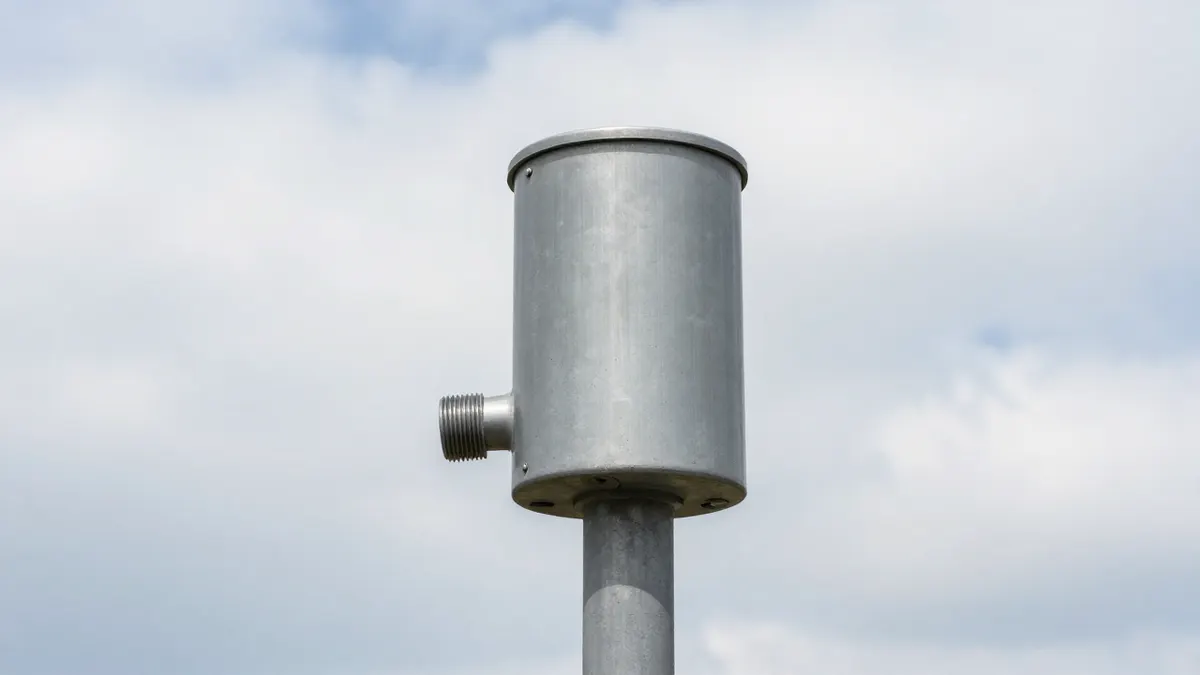
What an N-female to N-male lightning arrestor does
The device sits in line. One end (N-female) takes the cable coming from the antenna, the other end (N-male) connects to a jumper or directly to the hotspot's N port. Inside is a gas discharge tube, or a quarter-wave stub, that reacts when voltage spikes.
Gas tube models let normal RF pass and short a surge to the metal body. Their insertion loss is typically 0.1 to 0.2 dB at 868 MHz, which is negligible. Quarter-wave stub models are tuned to a narrow band, so check that the one you pick covers 863 to 870 MHz for Europe.
Lightning protection N-female N-male: specs to check
Look at a handful of numbers before anything else.
- Frequency range: it must include 868 MHz. Many units cover DC to 3 GHz or 6 GHz.
- Insertion loss: 0.2 dB or less is fine.
- VSWR: below 1.2 in the working band.
- Surge rating: around 10 kA (8/20 µs) is common for this class.
- Impedance: 50 ohm, to match the rest of the chain.
- Body: brass or stainless, with a threaded grounding point or bulkhead mount.
Avoid units with no ground connection. Without a proper path to earth, the arrestor has nowhere to send the energy.
Where to install it and how to ground it
Place the arrestor as close as possible to where the cable enters the building, ideally on the outside wall or just inside the entry point. Keep the jumper between arrestor and hotspot short, under 1 metre if you can.
Grounding matters more than the part itself. Run a copper conductor of at least 6 mm² (10 AWG) from the arrestor body to a dedicated earth rod or the building's grounding bar, in the straightest line possible. A long, looped ground wire adds inductance and lets the surge bite before it clears. Bonding to the mast and to the main earth reduces differences in potential.
Seal the outdoor N connections with self-amalgamating tape, then a layer of vinyl tape. Water in an N connector will cost you more signal than the arrestor ever does.
Choosing between N and SMA protection
Match the connector to what you already have. If the antenna and cable are N type, use N. Hotspots with an SMA port need either an adapter or a different arrestor format. The Times Protect lightning protection line is a familiar N-type reference, and the Times Protect SMA lightning protection covers the smaller connector for indoor or compact setups.
Adapters add a joint, and each joint is a place for loss or moisture. Fewer is better. A single N-to-SMA pigtail at the hotspot end is usually the cleanest layout.
What it does not cover
A direct strike can destroy gear regardless of any arrestor. Protection reduces induced surges, which are far more common than direct hits. For a mast on an exposed ridge, consider a proper lightning rod and a licensed installer.
Power and Ethernet lines are another path in. A hotspot with a protected antenna can still die through its PoE or network cable, so a surge protector on those lines is worth adding.
Out-of-band noise is a separate problem. If a nearby cell tower overloads the receiver, a SAW bandpass filter EU868 helps, and it can sit in the same feedline next to the arrestor. Put the arrestor on the antenna side, the filter on the hotspot side.
Checking and replacing the arrestor
Gas tubes wear out after taking hits. After a nearby storm, check the hotspot's reported RSSI and witness rate. A sudden drop, or a dead RF path, points to a spent arrestor. Swap it for a spare and compare. Many owners replace the unit every 3 to 5 years in stormy regions, even without a visible fault.
Indicative prices run from roughly 8 to 25 euros for a decent N-type gas tube arrestor, depending on brand and rating. Very cheap unbranded parts often list no surge rating at all.
Frequently Asked Questions
Does a lightning arrestor reduce my hotspot's range?
Only slightly. A good unit adds around 0.1 to 0.2 dB of loss at 868 MHz, which you will not notice in practice. Poorly sealed connectors and long cable runs cost far more signal.
Can I install the arrestor without grounding it?
No. It needs a low-resistance path to earth to do its job. Ungrounded, it only adds a connector to the chain.
Should the arrestor go at the antenna or the hotspot?
Near the cable entry point is the best compromise, with the ground wire as short as possible. Mounting it right at the hotspot works too if the hotspot is close to a grounded bar.
Is N-female to N-male the right gender combination?
Usually yes. The female side takes the cable from the antenna and the male side plugs into a female N port or jumper. Check the gender of your own cable and hotspot port before choosing.