PoE Injector 48V with UK Plug: What to Check Before You Use One
A PoE injector 48V UK plug is a small power adapter that pushes 48 volts of DC power down an Ethernet cable alongside the data signal. You plug the mains lead into a UK three-pin socket, connect your router or switch to the "LAN" port, and run a cable from the "PoE" port to the device. Typical output is 48V at 0.5A, which gives about 24 W at the source.
That is enough for most LoRaWAN gateways, outdoor access points and IP cameras. It is not enough for power-hungry gear such as PTZ cameras with heaters.
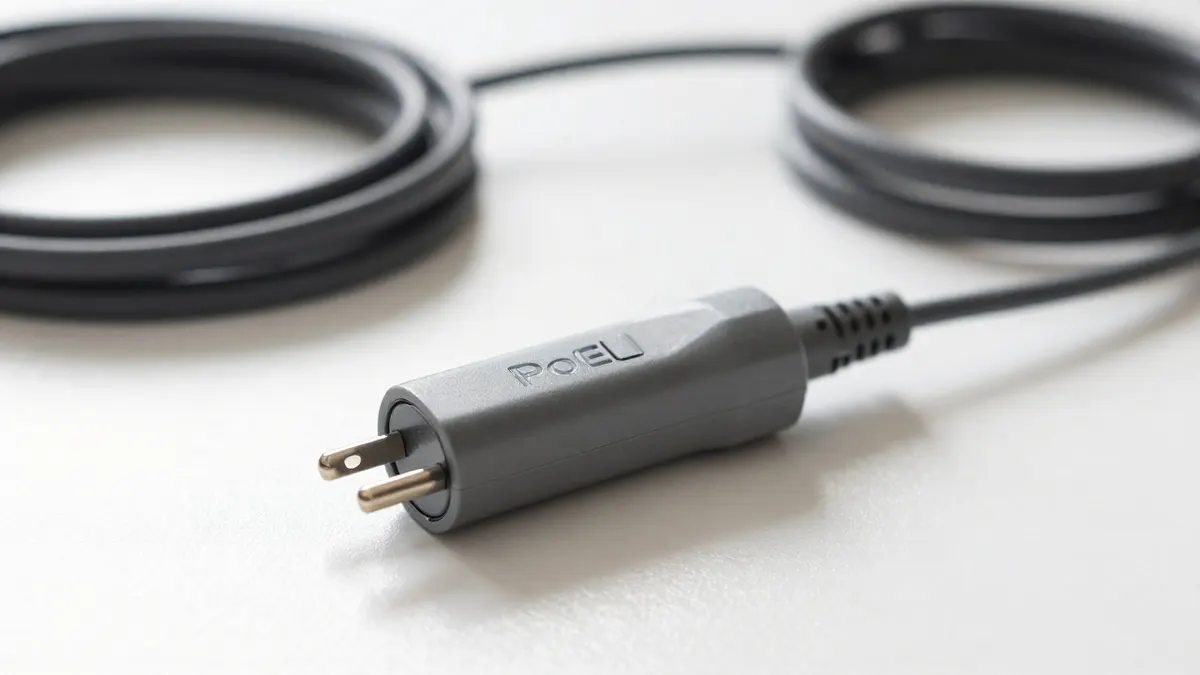
PoE injector 48V UK plug: typical specifications
Most units in this class follow the same pattern. Check the label on the adapter before you connect anything.
- Input: 100 to 240V AC, 50/60 Hz, with a UK Type G plug
- Output: 48V DC, 0.5A (around 24 W)
- Ports: one data in, one data and power out
- Speed: 10/100 Mbps on cheaper models, gigabit on better ones
- Maximum cable run: 100 m of Cat5e or Cat6
Gigabit matters less than you might think for a hotspot. A LoRaWAN gateway moves a few kilobits per second, so 100 Mbps is fine. If you plan to share the same cable run with other equipment, go gigabit.
Passive or 802.3af: which type is it?
Many cheap 48V injectors are passive. They send power on fixed wire pairs with no handshake, so the device at the far end must accept 48V directly. Plug a laptop or a 5V gadget into one and you can damage it.
Standards-based injectors (802.3af, 15.4 W, or 802.3at, 30 W) first check that the device supports PoE, then switch the power on. They cost a little more, but they are far safer in a mixed setup. My advice: if the hotspot or antenna manual says "passive 48V", use a passive injector. In any other case, pick the standards-based one.
Powering a Helium hotspot with a 48V injector
Outdoor LoRaWAN gateways often take 48V over Ethernet, so the injector sits indoors and only one cable goes up to the mast or roof. That keeps mains power away from the weather. The injector stays dry, and the gateway gets power and network over a single run.
For a closer look at this use, see the guide to a PoE injector 48V helium setup. If your miner is an indoor model with a 5V or 12V input, you will need a different approach, covered below.
Cable length and voltage drop
The Ethernet limit is 100 m, but voltage drops along thin copper. At 0.5A on a 60 m run of decent Cat5e, expect to lose roughly 2 to 3 V, which is acceptable. Copper-clad aluminium cable (CCA) loses much more, so avoid it for PoE. Solid copper Cat6 outdoor cable, rated for UV, is the sensible choice for mast runs.
When the device does not accept 48V
Plenty of hotspots, Raspberry Pi boards and small IoT devices want 5V or 12V. In that case you place a splitter at the device end. It takes the 48V from the cable and converts it to the voltage you need, while passing the data through to a second Ethernet port.
A PoE splitter 48V to 12V suits routers, small switches and many antenna units. A PoE splitter 48V to 5V is the usual pick for single-board computers and USB-powered gear. Check the splitter's current rating: 12V at 1A is typical, which uses about 12 W plus losses, well inside a 24 W injector.
Setup steps and safety
- Confirm the voltage and polarity the device expects.
- Connect the router or switch to the injector's data port.
- Connect the injector's PoE port to the device.
- Only then plug the injector into the wall.
Keep the injector indoors or in a sealed, ventilated enclosure. These adapters warm up under load, and a unit left outside in rain will fail. For wider planning, the Helium network equipment overview covers antennas, cables and surge protection that go with a PoE run.
Fit a surge protector on the cable where it enters the building if the antenna is on a mast. Lightning damage travels down Ethernet very easily.
Frequently Asked Questions
Can I use a UK plug PoE injector in other countries?
The electronics usually accept 100 to 240V AC, so voltage is not the problem. The plug shape is. You would need a travel adapter, or an injector with the local plug type, such as the EU version.
Will a 48V injector damage my device?
It can if the device is not built for 48V and the injector is passive. A standards-based 802.3af injector only powers devices that request it. Always read the device label first.
How far can I run the cable?
Up to 100 m with proper copper Cat5e or Cat6. Beyond that, data becomes unreliable and voltage falls too far. For longer distances, add a PoE-capable switch or extender partway along.
Is 0.5A enough for a LoRaWAN gateway?
Yes, in nearly every case. Most gateways draw between 3 and 12 W, while a 48V 0.5A injector offers about 24 W. That leaves comfortable headroom.