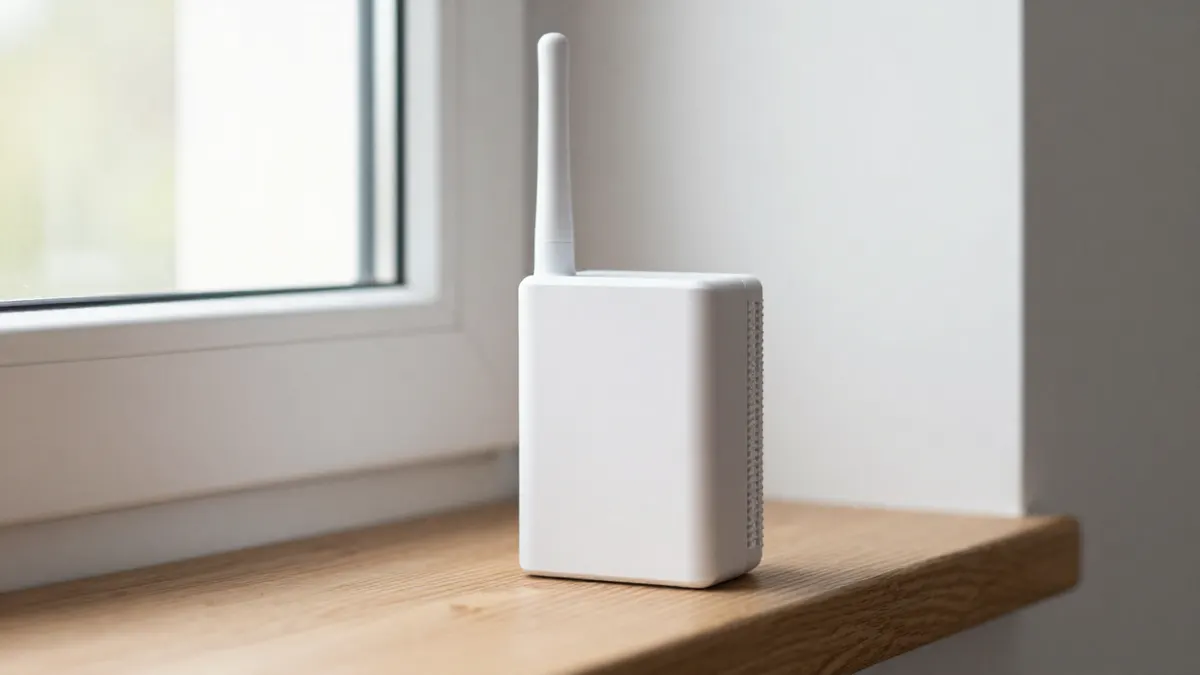
A Helium hotspot miner is a small radio gateway that covers an area with a low-power wireless network and earns tokens for the data and coverage it provides. Most units sold in Europe run LoRaWAN on the 868 MHz band, and many now support 5G CBRS or other radio types in other regions. Setup takes about 20 minutes. Earnings depend far more on where you place the device than on which model you buy.
How a Helium hotspot miner earns
The network pays for two things: proof that your hotspot covers a real area, and actual data from nearby sensors. Coverage rewards are small and shared among every hotspot in the same zone. Data transfer pays only when devices around you send packets through your gateway.
That matters for expectations. In a crowded city center, a new unit may earn a few cents a day or less. In a thinly covered town with active sensors, the same unit can do noticeably better. Check the public coverage map before spending anything.
Electricity is minor. A typical indoor gateway draws 5 to 8 watts, which is roughly 50 kWh per year, or about 10 to 15 euros at common European rates.
Helium hotspot basics: what is inside the box
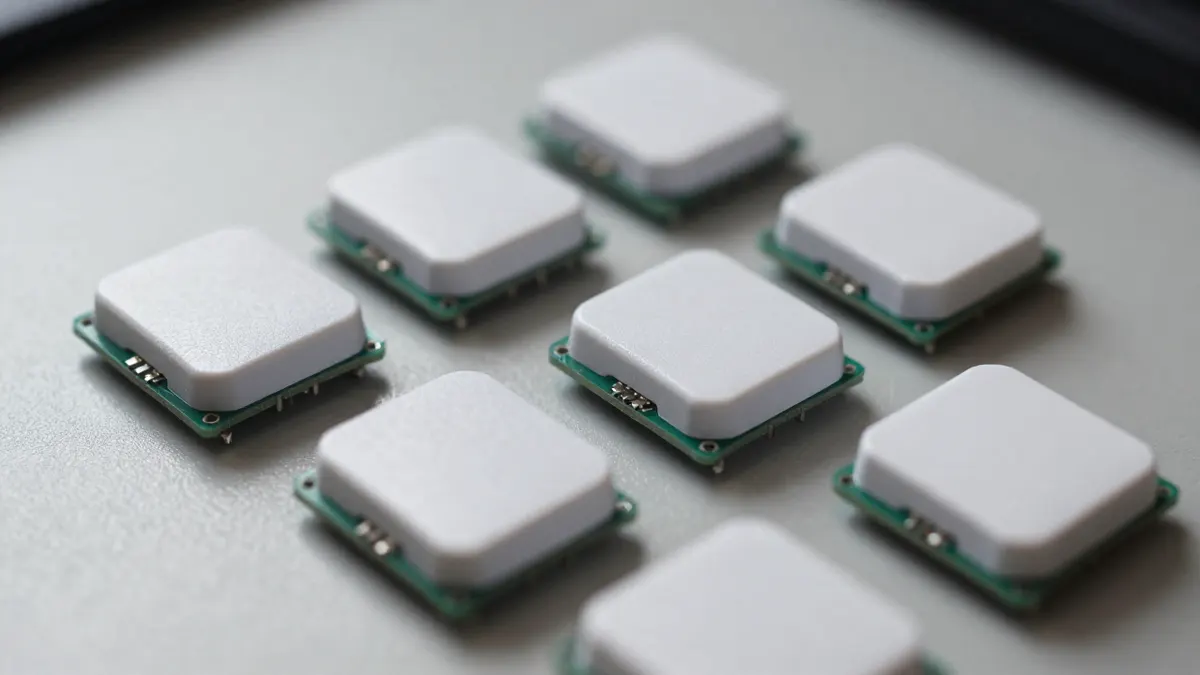
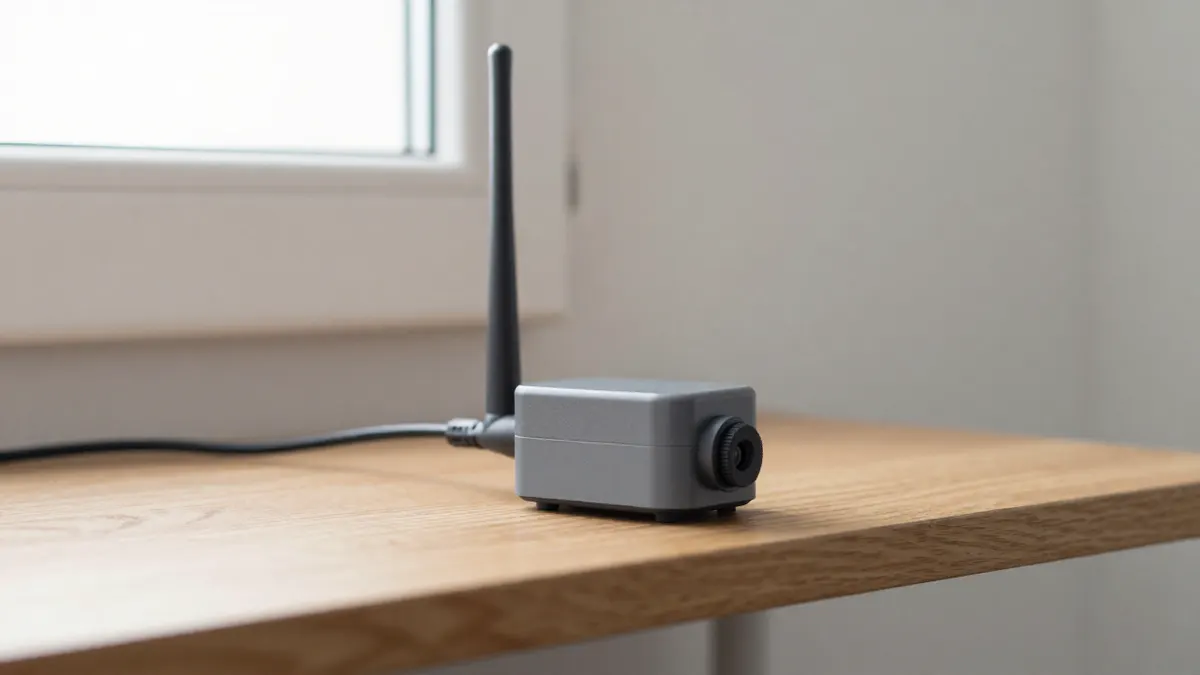
A hotspot has four parts that matter: a LoRa radio, a small computer, an antenna and a backhaul connection (Ethernet or Wi-Fi). Ethernet is steadier. Wi-Fi works, but dropped connections can cost you rewards.
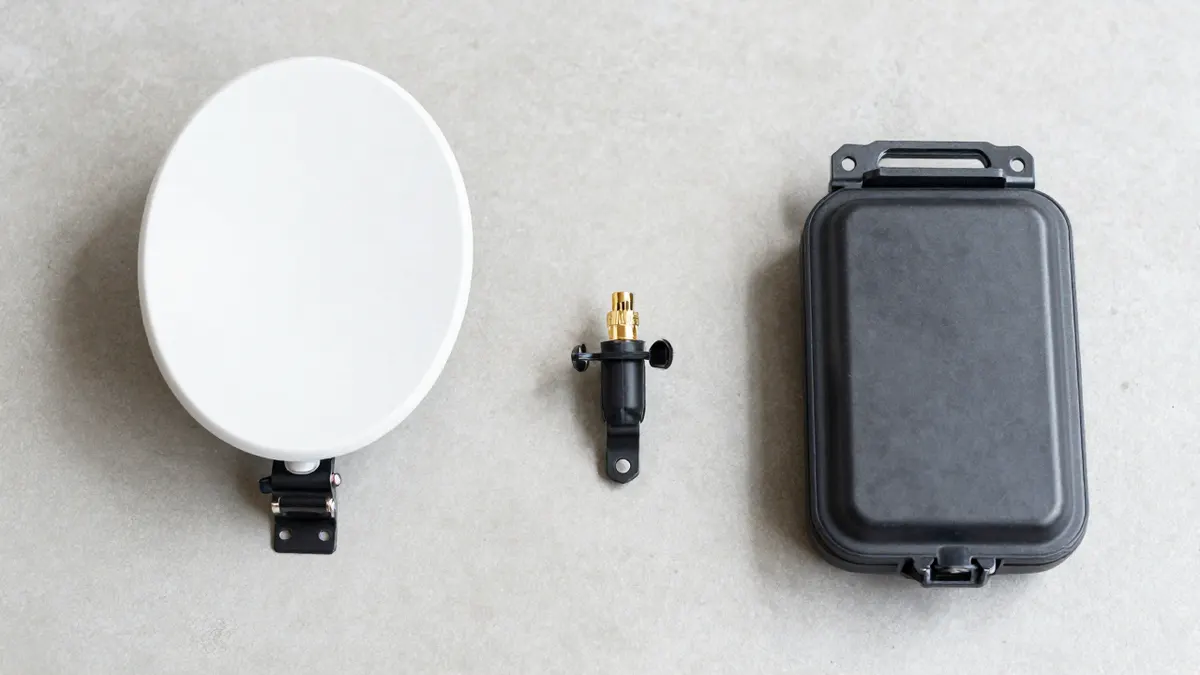
Most devices ship with a stock antenna rated around 3 dBi. It is fine on a windowsill and weak almost everywhere else. If you want to improve range, the antenna is the cheapest upgrade, and a good outdoor model from a reputable maker usually costs from about 30 to 80 euros.
Indoor or outdoor units
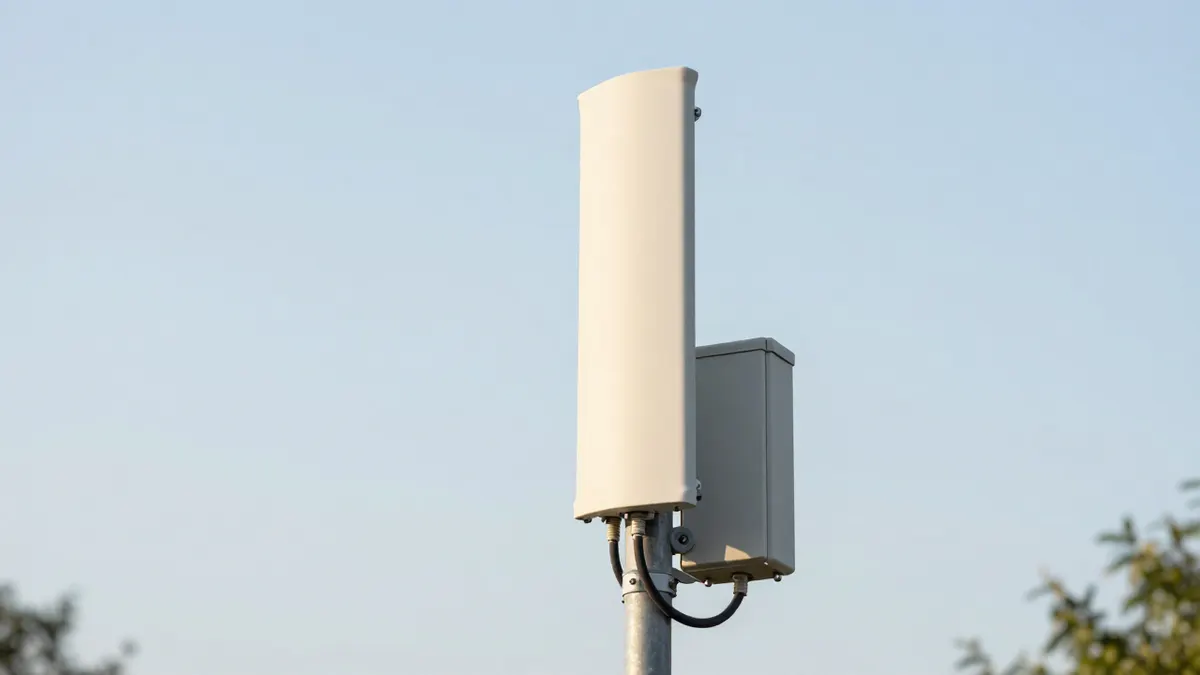
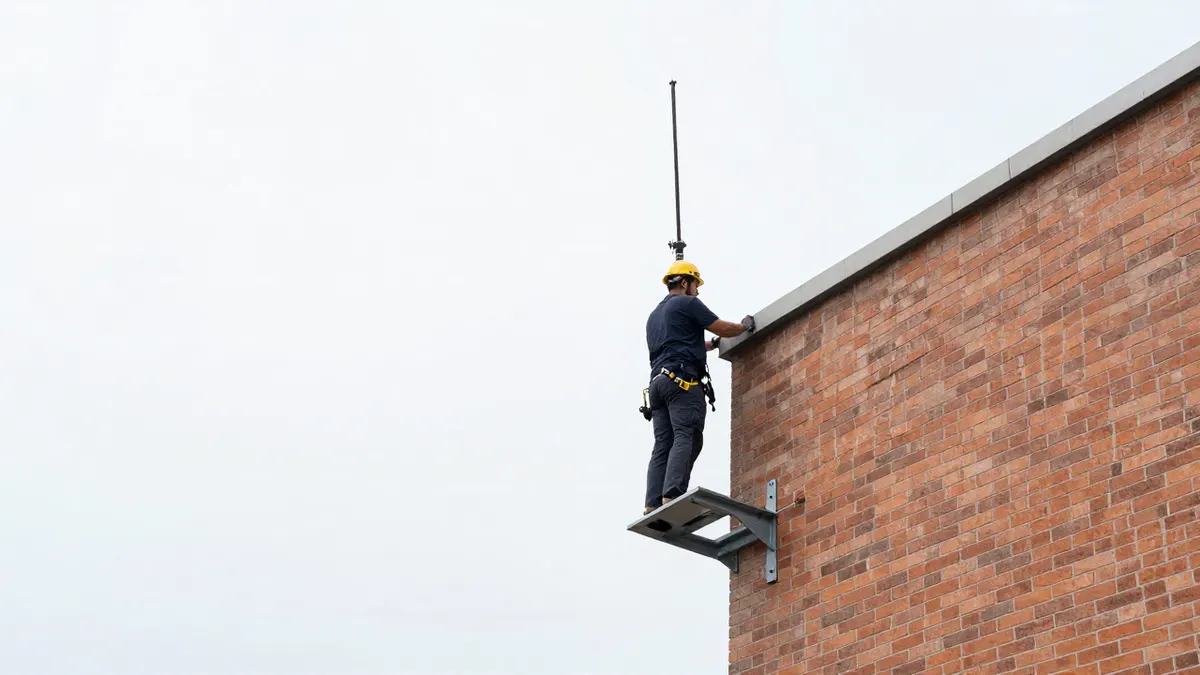
Indoor units are cheaper and simpler. Outdoor enclosures are sealed against rain (look for IP65 or better) and sit higher, which is where most of the range comes from. A gateway on a roof at 10 meters can reach several kilometers in open terrain, while one behind a brick wall may manage a few hundred meters.
Choosing the right frequency plan
Frequency is where buyers make the most expensive mistakes. Europe uses EU868, North America uses US915, and a unit built for one will not register correctly in the other region. If you live in Europe, look only at EU868 helium hotspots and confirm the plan in the specification sheet before anything else.
Also check that the model is still supported by the current network software. Several early generations were retired, and a cheap secondhand unit may be impossible to onboard in 2026.
What else is worth checking
- Whether the device onboards through the standard app without a paid third-party service
- Power supply type and whether Power over Ethernet is available
- Warranty length, ideally 12 months or more
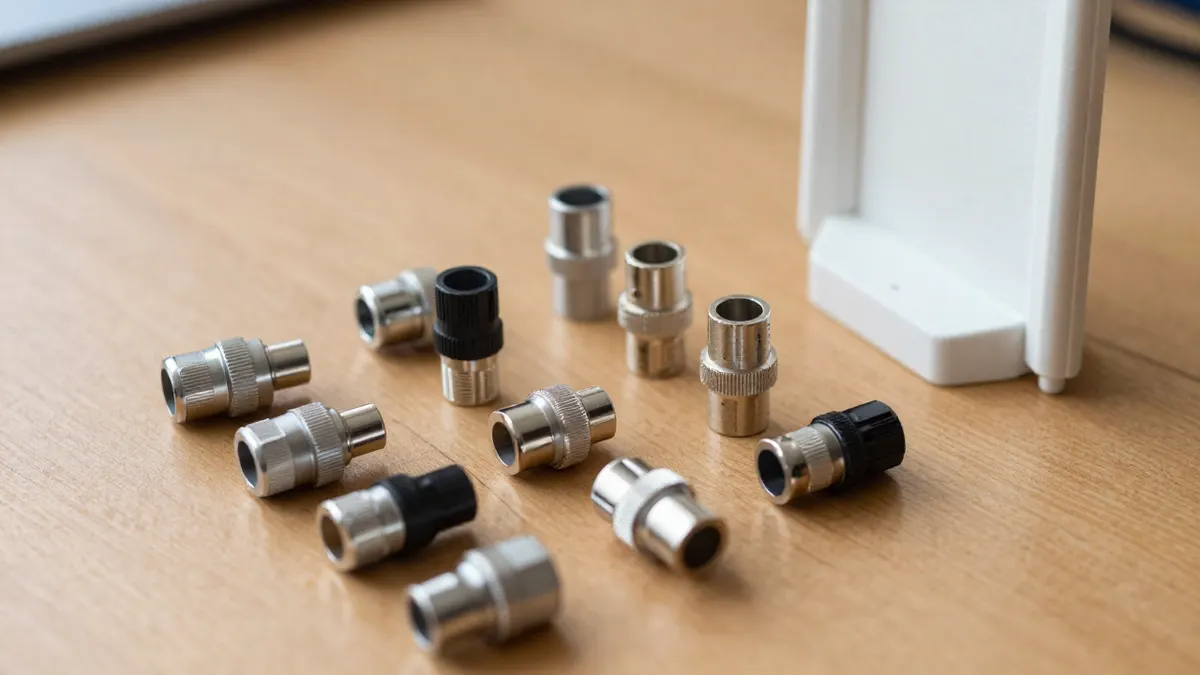
- Antenna connector type, so you can swap the stock one later
Compare several listings of Helium mining equipment side by side. Prices for a basic indoor hotspot start at about 100 to 150 euros, and outdoor kits run higher once you add mast, cable and surge protection.
Antennas, cables and placement
Cable loss is the quiet killer of range. A 10 meter run of thin coax can waste more than 3 dB, which cancels a good part of an antenna upgrade. Keep the cable short, use low-loss types, and mount the antenna as high and as clear of metal as you can.
A dedicated Helium antenna shop will usually list gain, connector and cable length for each model. Higher gain is not always better. A 6 dBi antenna flattens the beam and suits flat terrain, while hilly areas often do better with 3 to 5 dBi.
Beyond mining: sensors that use the network
Hotspots only pay well when something uses them. Soil monitors, trackers, water meters and door sensors all send small packets across LoRaWAN, and a single battery can run them for two to five years. If you plan to deploy your own, look at IoT devices for Helium to see what is compatible. Running a few sensors yourself gives your gateway real traffic.
Frequently Asked Questions
How much does a Helium hotspot miner earn?
It varies widely. Many owners see well under one euro a day, and some in crowded areas see almost nothing. Rewards depend on local competition and sensor traffic, so treat any figure as a rough guide.
Do I need a static IP or special internet plan?
No. A normal home broadband line is enough, since the device uses very little data, often under a few gigabytes per month. Port forwarding is not required for most current models.
Can I run a hotspot indoors?
Yes, and many people do. Expect shorter range, often 200 to 800 meters in built-up areas, because walls absorb the signal. A window position helps a lot.
Is mining still worth it in 2026?
It is a low-margin hobby, not a salary. If you already want better coverage for your own sensors, or you live in a sparse area, it can make sense. If you only want quick returns, the numbers are usually disappointing.