HeliumHotShop Blog: Helium Mining, Hotspots and Antenna Guides
The HeliumHotShop blog is an independent reading list for people who run, or plan to run, a Helium hotspot. It covers LoRaWAN coverage, antennas, cables, connectors and the network gear around them. Articles stay practical: ranges, loss figures, typical power draw and the mistakes that cost people rewards.
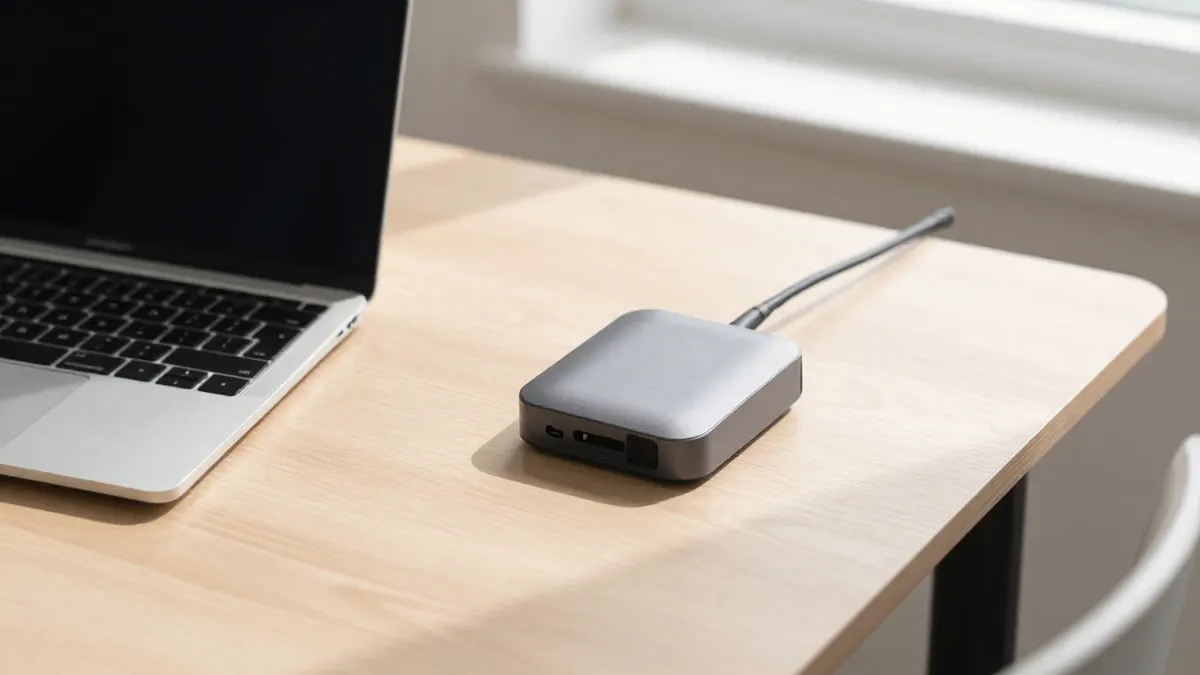
What the HeliumHotShop blog covers
Four themes come back again and again. Hardware choice, antenna and cable setup, network security at home, and realistic expectations about earnings. Each guide is written so you can finish it in under ten minutes and act on it the same day.
Hotspot posts compare indoor and outdoor miners, explain what a LoRaWAN gateway actually does, and list the specs that matter. Most current miners draw between 3 and 10 watts, which means running costs stay low, often a couple of euros per month. The real variable is placement.
Antenna guides for better Helium coverage
A better antenna usually does more than a better miner. Height beats gain in most cases: a 3 dBi antenna on a roof at 10 metres often outperforms an 8 dBi antenna sitting behind a window. Gain flattens the signal pattern, so very high gain models can miss devices close to the base.
If you are comparing models, the article on Which outdoor helium antenna to buy walks through gain, size, weather rating and mounting. For urban sites, 3 to 5 dBi is a sensible range. Open rural land can justify 6 to 8 dBi.
Cable length and signal loss
Every metre of coax costs signal. A thin cable can lose around 0.5 dB per metre at 868 MHz, so a 10 metre run eats about 5 dB, more than many antenna upgrades add. Use low loss cable and keep it short.
Connectors and adapters
Mismatched ends are the most common reason a new setup fails to fit. Most hotspots use SMA or RP-SMA, while outdoor antennas often finish in N-type. Our reference on the Helium hotspot antenna connector explains how to tell them apart and which adapters add the least loss. Fewer adapters is always better.
Hotspot hardware and reseller questions
Hardware posts focus on what to check before spending money. Look at the supported frequency plan for your region (EU868 for most of Europe), the backhaul options, and whether firmware updates are still published. Avoid listings with no stated plan or no clear origin.
For one popular model, the page on an Official COTX X3 reseller explains how to verify that a seller is authorised and what paperwork to expect. A genuine unit should come with a serial number you can match to the manufacturer.
Network security and privacy around your miner
A hotspot sits on your home network, so it deserves some isolation. A separate VLAN or guest network is a good habit. Some owners also add a small privacy appliance, and the overview of the Deeper Connect Mini VPN looks at what that kind of device does and where it fits next to a miner.
Is Helium mining still worth it in 2026?
It depends on location. Dense cities have many hotspots splitting rewards, so earnings per device are small, sometimes only a few dollars a month in tokens. Sparse areas with real device demand do better. Treat any hotspot as a coverage project first and an income source second, and expect a payback period of well over a year in most places.
Frequently Asked Questions
Where should I place a Helium hotspot?
As high as you can, with a clear line of sight. A window is acceptable, a roof or mast is better. Keep it away from metal and thick concrete walls.
Does a bigger antenna always give better range?
No. Higher gain narrows the vertical beam, which can hurt coverage in hilly or tall-building areas. Between 3 and 6 dBi suits most setups.
How much power does a hotspot use?
Most LoRaWAN miners use 3 to 10 watts. Over a year that is roughly 26 to 88 kWh, so electricity costs are modest.
Do I need a VPN for my hotspot?
It is not required. Isolating the miner on its own network segment gives most of the benefit. A VPN device is an optional extra for people who want tighter control.