6 dBi Helium Antenna for Outdoor EU868 Hotspots
A 6 dBi Helium antenna sits in the middle of the gain range for LoRaWAN hotspots on the 868 MHz band. It is a fibreglass omnidirectional unit, usually about 60 to 65 cm long, with an N-female connector at the base. Most are tuned for 863 to 870 MHz, which covers the whole EU868 plan.
Gain of 6 dBi means the antenna squeezes its energy into a flatter, wider doughnut than the small rubber stick that ships with most miners. You get more reach sideways and less signal straight up or down.
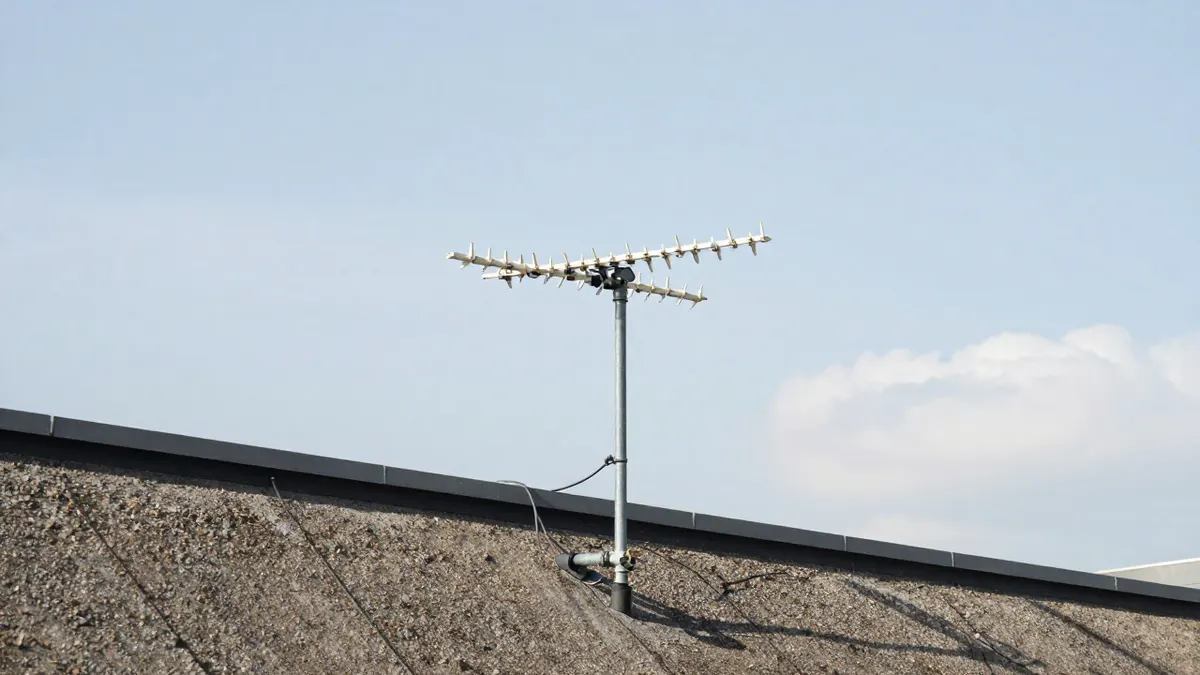
What a 6 dBi outdoor antenna EU868 actually gives you
In open terrain, a 6 dBi antenna mounted at roof height typically reaches 5 to 10 km to a LoRa sensor with a clear line of sight. In a town, expect closer to 1 to 3 km, because walls, trees and other buildings eat the signal.
Compared with the stock 2 to 3 dBi stick, you gain roughly 3 to 4 dB. That is about double the effective radiated power in the horizontal plane. It is a noticeable jump, not a miracle.
The trade-off is the vertical beam. A 6 dBi pattern is narrower in elevation, around 25 to 30 degrees. If your hotspot sits on a hill above the sensors, or in a tall building with devices on lower floors, some of them fall outside the beam.
Choosing between 3, 5.8 and 10 dBi
Gain is a balance. Flat city rooftops with sensors all around favour the middle. Steep hills and tall towers favour lower gain.
- A 3 dBi helium antenna has a wide vertical beam and suits hotspots in apartment blocks or on hilly sites.
- The 5.8 dBi helium antenna is almost identical in performance to a 6 dBi unit, so the choice often comes down to build quality and connector type.
- A 10 dBi helium antenna reaches farther on flat land but has a beam only 8 to 10 degrees tall, which makes levelling the mast important.
For most flat or gently rolling sites, 6 dBi is the sensible pick.
Cable loss and placement
The cable can undo what the antenna gains. Common LMR-400 type coax loses about 0.2 dB per metre at 868 MHz, so a 10 m run costs around 2 dB. Thin RG58 loses roughly twice that.
Keep the cable under 5 m if you can. Where a long run is unavoidable, thicker low-loss cable is worth the extra money, otherwise you cancel most of the 6 dBi.
Mount the antenna vertically, at least 1 m above the roof edge, and keep it 30 cm or more from metal masts, chimneys and gutters. Metal close to the element distorts the pattern. Use a tight, straight mast and not a leaning bracket.
Weatherproofing and connectors
Outdoor models are rated IP67 or similar, yet the connector is the weak point. Wrap the N joint with self-amalgamating tape first, then a layer of vinyl tape. Water in a connector is the most common cause of a sudden drop in signal after a few months.
Add a lightning arrestor close to where the cable enters the building, and earth it. It costs around 10 to 20 euro and protects the miner.
Check the pigtail too. Many hotspots use SMA or RP-SMA on the board, so you need an adapter cable to an N connector. Each extra joint adds roughly 0.2 to 0.5 dB of loss.
Frequently Asked Questions
Is a 6 dBi antenna legal on EU868?
Limits in the EU are set on radiated power, usually 14 dBm ERP on most sub-bands and up to 27 dBm on some. Gain counts toward that figure, so a hotspot with a high-gain antenna may need lower transmit power. Check the setting for your device and country.
Will a 6 dBi antenna improve Helium rewards?
It can improve how many devices hear your hotspot and how many witnesses you get, but results depend on location. Height and a clear view matter more than gain. Moving an antenna from a window to a roof often beats any upgrade in dBi.
How long a cable can I use?
Up to 5 m is comfortable with decent coax. Past 10 m, the loss, about 2 dB with good cable, starts to eat most of the gain from the upgrade.
Can I use it indoors?
Yes, though it is built for outdoor use. Indoors, walls absorb much of the signal, so a window mount with the antenna upright works better than placing it flat on a shelf.