N-Female to N-Female Bulkhead Adaptor for LoRaWAN and Helium Setups
An N-female to N-female bulkhead adaptor joins two N-male cables through a wall, an enclosure panel or a mast bracket. Both ends are female sockets, and a threaded body with a nut lets it clamp into a drilled hole. The McGill version is a typical example: brass body, nickel or silver plating, a PTFE insulator and a 50 ohm impedance.
Most people look for this part when a coax run has to cross a metal box or an outer wall without leaving a gap for water. It does that job well, and it adds very little loss.
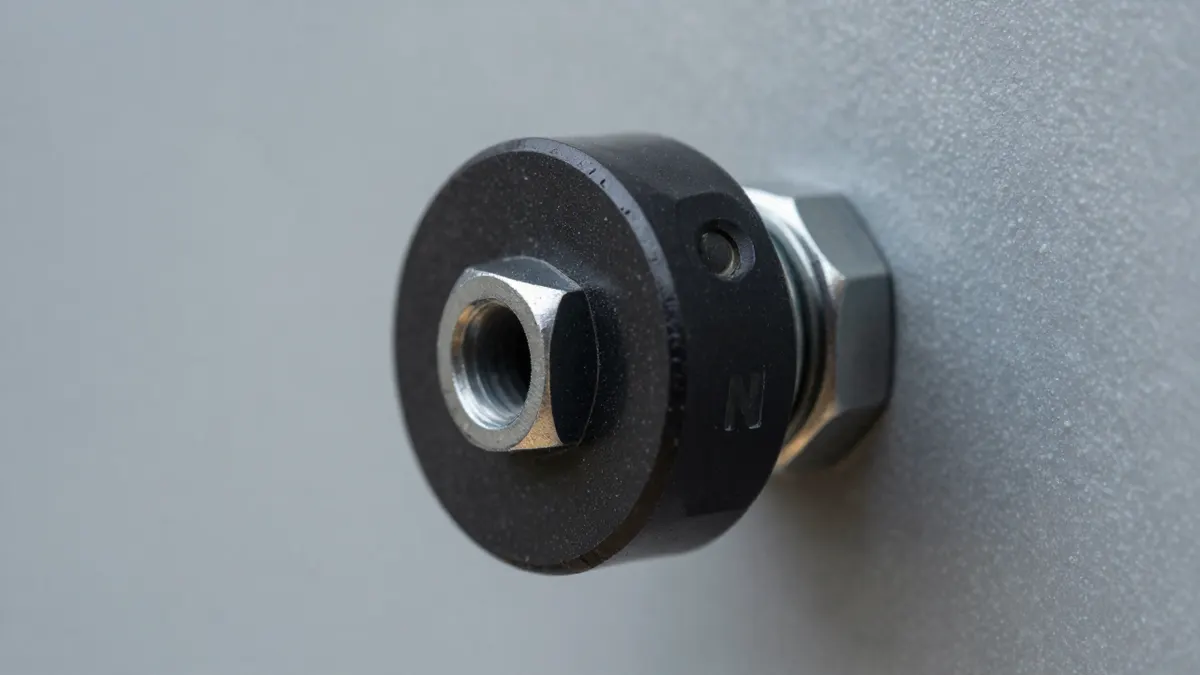
What the N-female to N-female bulkhead adaptor does
Think of it as a fixed, rigid joint. The cable on the outside ends in an N-male plug, the cable on the inside does too, and the adaptor sits between them. Nothing is converted. The signal passes straight through.
The hole you need is usually 16 mm, though some bodies use a flat-sided hole to stop the adaptor from turning. Check the thread before you drill. A panel thicker than about 6 mm may need a longer thread or a thinner nut.
Typical specifications
- Impedance: 50 ohm
- Frequency range: DC to about 11 GHz, which easily covers 868 MHz and 915 MHz LoRa bands
- Insertion loss: roughly 0.1 dB or less at LoRa frequencies
- Body: brass, with gold, nickel or white bronze plating
- Sealing: an O-ring on the panel side, rated around IP67 once tightened
Where it is used with hotspots and gateways
The classic case is an outdoor antenna feeding an indoor gateway. You run a low-loss cable such as LMR-400 from the mast, bring it to a weatherproof box or through a wall plate, and pass it through the bulkhead. A short jumper then runs from the adaptor to the miner.
Another common spot is the wall of an IP65 enclosure that holds a gateway on a pole. The miner stays dry inside, and the antenna connects from outside without a cable gland squeezing the coax.
If the antenna is exposed on a roof, plan Helium hotspot lightning protection before the bulkhead. An N surge arrestor goes in line near the entry point, and it needs a proper ground wire. The bulkhead alone gives no protection against a strike.
Choosing a good bulkhead adaptor
Price tells you something. Cheap zinc-alloy parts, sometimes under 2 euros, tend to corrode and can loosen within a season outdoors. A brass part from a known maker generally costs from about 6 to 15 euros, and it holds its shape for years.
Look at four things:
- Plating that covers the thread fully, with no bare patches
- An O-ring on the front face, and a second gasket if you plan to mount it outdoors
- A nut that spins smoothly and bites into the panel
- A central pin socket that grips firmly, with no wobble
Skip anything that rattles. A loose centre contact causes intermittent drops, and those are painful to trace.
Installing it without losing signal
Drill the hole slowly and deburr the edge. Fit the O-ring on the outside face, push the adaptor through and tighten the nut by hand, then give it a quarter turn with a wrench. Overtightening can crush the gasket.
Wrap each outdoor connection with self-amalgamating tape, then add a layer of vinyl tape over it. This is the step most people skip, and water in an N connector is the usual reason a hotspot's reports go silent after a rainy winter.
Every extra joint adds a small loss, so avoid stacking several adaptors. If you also need to change connector type, a part such as an RP-SMA female to SMA male adaptor handles the miner side, while the N bulkhead takes care of the wall crossing. Keep that chain as short as you can.
Power is a separate matter. If your outdoor box houses a miner plus other low-voltage gear, a DC power jack splitter can share one supply between two devices, but check the total current draw first.
Frequently Asked Questions
Is a bulkhead adaptor waterproof?
The panel seal is, when the O-ring is seated and the nut is tight. The mating connectors are not sealed on their own, so they need tape or a rubber boot. Without that, moisture gets into the coax within months.
How much signal does an N-female to N-female adaptor lose?
Very little. At 868 or 915 MHz, expect about 0.1 dB per quality adaptor. A poor, corroded one can reach 0.5 dB or more, which is worse than it sounds on a weak link.
Can I use it with SMA antennas?
Not directly. N and SMA connectors do not mate. You need an N-to-SMA pigtail or a different adaptor type on either side of the bulkhead.
What hole size do I need?
Most N bulkheads fit a 16 mm round hole, and some versions need two flats. Measure the thread on your part before drilling, because a few models use 20 mm.