15cm Low Loss Coaxial Cable SMA RP: What It Does and When to Use It
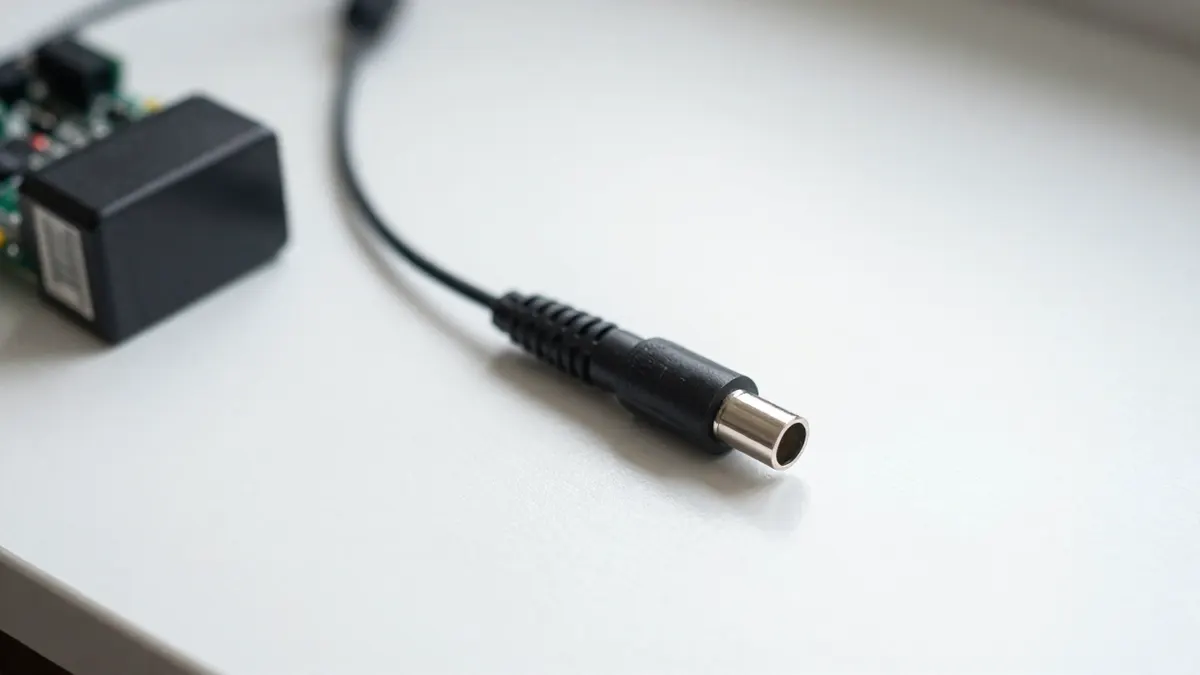
A 15cm low loss coaxial cable SMA RP is a short pigtail, roughly the length of a ruler, with an SMA reverse polarity connector on each end or a male and female pair. It links a LoRaWAN hotspot miner to an antenna, a panel feedthrough or a longer cable run. At 15cm the loss is tiny, usually well under 0.2 dB at 868 MHz, so it will not noticeably hurt your Helium coverage.
Most people look for this part because the antenna port on their hotspot sits in an awkward spot. A rigid antenna screwed straight onto the case may not fit in a tight enclosure, and a short flexible lead solves that.
What "SMA RP" actually means
Reverse polarity SMA swaps the gender of the center contact. An RP-SMA plug has a female pin inside a threaded barrel with external threads, while an RP-SMA jack has a male pin. Standard SMA looks nearly identical, which is where most mistakes happen.
Mixing the two will not mate properly. Forcing it damages the thread or the center pin. Check the marking on your hotspot and antenna before you pick a cable, and look inside the connector if the label is missing.
Why low loss matters on a 15cm cable
Loss is measured in decibels per meter, and it climbs with frequency. A thin RG174 lead may lose around 0.5 dB over 15cm at 868 MHz. A better low loss type such as LMR-195 style cable loses closer to 0.1 dB over the same length.
The difference is small in absolute terms. Still, every connector adds roughly 0.1 to 0.2 dB, so a pigtail with two connectors and poor cable can eat half a decibel before the signal even leaves the box. For a hotspot, that is reachable range you give away for nothing.
Rough loss figures at 868 MHz
- 15cm of thin RG174: about 0.4 to 0.5 dB
- 15cm of low loss cable: about 0.1 dB
- Each SMA connector pair: about 0.1 to 0.2 dB
- Poorly crimped connector: anywhere from 0.5 dB upward
Where a short pigtail fits
The typical use is inside a weatherproof box. The hotspot sits on a shelf, the pigtail runs to a bulkhead connector in the wall of the enclosure, and the antenna screws on outside. This keeps moisture away from the board and lets you aim the antenna freely.
It also works at a window. If you want the antenna outside but the hotspot indoors, a pigtail connects the miner to a feedthrough. For that job, a dedicated Helium antenna window cable is thin and flat enough to pass through the frame seal, so check that option before drilling anything. Longer gaps call for a 50cm window pass through cable or a 100cm window pass through cable, depending on how far the hotspot sits from the glass.
Flat cable versus round pigtail
A round low loss pigtail is sturdier and shields better. It does not like sharp bends, though, and the minimum bend radius is typically about 5 times the cable diameter. Bend it tighter and the impedance shifts.
Flat coaxial cable SMA-RP is the alternative when the lead has to squeeze under a window sash or a door seal. It is thinner, often around 1 to 2 mm, but loses more signal per meter. Over 15cm that penalty barely registers, so flat is a fair choice when space is the problem. For anything beyond a meter, I would stay with round cable.
How to choose one
Start with the connector genders on both devices. Then decide on length. Shorter is better, and 15cm is about the limit for neat routing inside a small case. If you need more reach, jump to a longer lead instead of chaining two pigtails with an adapter, because each joint costs signal.
- Impedance should be 50 ohms, which matches every Helium hotspot and antenna
- Look for crimped or soldered connectors with gold plating on the center pin
- Prefer a cable with a double shield if there is other electronics nearby
- Expect prices from around 3 to 8 euros for a decent 15cm pigtail
Installation tips
Hand tighten the connector. A wrench is unnecessary and can twist the cable. Leave a little slack so the pigtail does not pull on the hotspot port when the antenna moves in the wind.
Seal any outdoor connection with self-amalgamating tape, then wrap it with a layer of vinyl tape. Water inside an SMA joint is the most common reason a good hotspot suddenly loses half its witnesses. Keep the joint pointing downward when you can.
Frequently Asked Questions
Does a 15cm cable reduce my Helium coverage?
Only slightly. A good low loss pigtail costs about 0.1 to 0.3 dB in total, which you will not notice in practice. Poor connectors cause more trouble than the cable length.
Can I use SMA instead of SMA RP?
No, they do not mate correctly. The center pin gender is reversed, so a standard SMA connector will not make contact with an RP-SMA one. Always match the type printed on your device.
Is 15cm long enough for a window setup?
Usually not alone. It works between the hotspot and a feedthrough in the frame, but a window run normally needs 50 to 100cm. Measure the distance from the hotspot to the glass before choosing.
Can I chain two short cables together?
You can, but each extra joint adds around 0.2 dB and another spot for water or a loose fit. One longer cable is better when you know the distance.